

 th
thFrom Cotton to Polyester: How Material Choices Shape Woven Fabric Performance
When sourcing woven fabric, the fiber content listed on a spec sheet is rarely the whole story. Two fabrics with identical construction can behave completely differently depending on whether the yarn is cotton, polyester, or a blend of both. Understanding how material choices translate into real-world performance — breathability, durability, shrinkage, care requirements — is essential for buyers, product developers, and sourcing professionals who need to match fabric to end use, not just to price.
This guide walks through the core performance differences between cotton and polyester in woven fabrics, explains when blends outperform either fiber alone, and provides a practical framework for making material decisions based on application requirements.
What Makes Woven Fabric Different from Other Constructions
Before comparing fiber types, it helps to understand what woven fabric itself contributes to performance. Woven fabrics are produced by interlacing warp (lengthwise) and weft (crosswise) yarns at right angles on a loom. This interlocking structure creates several consistent characteristics regardless of fiber content: high dimensional stability, minimal stretch, strong shape retention, and the ability to be woven very densely for wind and water resistance.
The three primary weave types — plain, twill, and satin — further influence how fiber properties are expressed. A plain weave in cotton poplin will behave very differently from a twill weave in the same fiber, because the weave structure changes thread density, surface texture, and the way the fabric drapes. This means fiber choice and weave structure must be evaluated together, not in isolation.
Woven fabrics are widely used in jackets, shirts, suits, dresses, outdoor gear, and workwear precisely because their structural stability makes them suitable for garments that need to hold a specific silhouette and resist deformation under regular use.
Cotton in Woven Fabrics: Strengths and Limitations
Cotton has been used in textile production for thousands of years, and its continued popularity reflects genuine material advantages. Cotton fibers are composed almost entirely of cellulose, which gives the fabric its characteristic softness, breathability, and moisture absorption. In woven form, cotton retains its ability to draw moisture away from skin and allow air circulation — qualities that make it a reliable choice for warm-weather apparel, workwear, and any application where wearer comfort during extended use is a priority.
Cotton woven fabrics also perform well in printing applications. The natural fiber structure absorbs water-based inks readily, producing detailed, vibrant results that hold up over repeated wash cycles when properly cared for. This makes cotton poplin, canvas, and twill popular substrates for branded workwear, uniforms, and custom apparel.
The material limitations of cotton in woven constructions are equally well-documented. Cotton is susceptible to shrinkage under high wash temperatures, tends to wrinkle after laundering, and loses color intensity more quickly than polyester under UV exposure or repeated washing. Cotton also retains moisture longer than synthetic fibers, which increases drying time and can reduce comfort in humid environments or during high-output physical activity. For applications where dimensional stability over time is critical — such as uniforms that must maintain a consistent fit through hundreds of wash cycles — pure cotton can require more precise care management than alternatives.
Polyester in Woven Fabrics: Where Synthetics Excel
Polyester is a petroleum-derived synthetic fiber produced by melting polymer chips and extruding them through spinnerets into continuous filaments. When woven into fabric, polyester delivers a distinct performance profile that differs from cotton in almost every measurable category.
The most consistent advantage of polyester in woven constructions is dimensional stability. Polyester fibers resist shrinkage, maintain their shape under repeated mechanical stress, and retain color much more effectively than cotton through washing and UV exposure. This makes polyester woven fabrics a practical choice for workwear, outdoor apparel, and any product that must look consistent and fit the same way across a long service life.
Polyester also dries significantly faster than cotton because the fiber is hydrophobic — it does not absorb moisture but instead allows it to pass through or evaporate from the fabric surface. In performance apparel and sportswear applications, this quick-drying property directly improves wearer comfort during sustained activity.
The primary trade-off with polyester in woven fabrics is breathability. Because polyester does not absorb moisture and has lower air permeability than cotton in equivalent constructions, it can trap heat against the skin in warm conditions. This is a meaningful limitation for everyday apparel in hot climates, though it is largely irrelevant in applications like outerwear, bags, or technical gear where moisture management and durability are prioritized over thermal comfort.
Polyester woven fabrics are also well-suited to sublimation printing, which bonds dye molecules directly to the synthetic fiber at the molecular level, producing colors that resist fading more effectively than surface-applied inks on cotton.
Head-to-Head: Key Performance Metrics Compared
| Performance Factor | Cotton | Polyester |
|---|---|---|
| Breathability | High — absorbs and releases moisture | Low — hydrophobic, traps heat |
| Moisture Drying Time | Slow — retains moisture longer | Fast — moisture stays on surface and evaporates |
| Shrinkage Risk | Moderate to high at elevated temperatures | Minimal — highly stable under heat |
| Wrinkle Resistance | Low — wrinkles easily after washing | High — retains shape with minimal creasing |
| Color Retention | Fades faster under UV and repeated washing | Excellent — color-stable over long service life |
| Durability / Tear Resistance | Good — improves with higher yarn count | High — strong tenacity, resists abrasion |
| Skin Feel / Comfort | Soft, natural, suitable for sensitive skin | Smooth but can feel warm or synthetic against skin |
| Printing Compatibility | Excellent for DTG and water-based inks | Excellent for sublimation printing |
| Environmental Profile | Biodegradable; conventional cultivation is water-intensive | Non-biodegradable; petroleum-based; recycled options available |
Blended Fabrics: When Neither Pure Fiber Is Enough
Cotton-polyester blends exist to address the limitations of each fiber while preserving their strengths. The most common ratios in woven fabrics — 65/35 cotton-polyester and 50/50 — are not arbitrary. They represent points on the performance spectrum where the blend achieves meaningful improvements in specific categories over either pure fiber.
A 65/35 cotton-polyester woven fabric, for example, retains much of cotton's breathability and soft hand feel while gaining polyester's wrinkle resistance and reduced shrinkage. This makes it a practical choice for dress shirts, uniforms, and workwear where both wearer comfort and low-maintenance care are requirements. A 50/50 blend pushes further toward polyester's durability and shape retention, offering a more balanced profile suited to heavier-use applications.
It is important to note that blend ratio alone does not determine fabric behavior. A 65/35 cotton-polyester woven poplin will perform very differently from a 65/35 cotton-polyester jersey knit, because the weave structure amplifies or suppresses different fiber properties. Buyers evaluating blended fabrics should assess actual fabric samples rather than relying solely on fiber content listed on specification sheets — a point that becomes especially important when sourcing across multiple suppliers or construction types.
Blends also offer advantages in certain finishing and processing contexts. Cotton-polyester combinations are generally easier to dye evenly and can accept a wider range of fabric treatments, including moisture-wicking finishes, antimicrobial coatings, and UV-protective layers that extend the functional performance of the final product.
How Weave Structure Modifies Fiber Performance
The relationship between fiber type and weave structure is one of the most underappreciated factors in woven fabric performance. Fabric construction can amplify or suppress the properties of the underlying fiber more significantly than small adjustments to blend ratio.
In a plain weave, cotton's breathability is preserved because the simple over-under interlacement allows relatively good air circulation. Polyester in a plain weave improves strength without substantially altering the hand feel, making plain-weave blends versatile across many apparel categories. Twill weaves — used in denim, chinos, and twill shirting — create a diagonal rib structure with higher yarn density. This construction highlights durability gains from polyester and produces a fabric that resists abrasion more effectively than an equivalent plain weave. For workwear applications where wear resistance is critical, a twill construction in a cotton-polyester blend consistently outperforms either fiber in a looser plain weave.
Satin weaves, which produce a smooth, lustrous surface by floating warp yarns over multiple weft yarns before interlacing, benefit most from softer fibers that maximize surface smoothness. Cotton in a satin weave produces a smooth, comfortable fabric well-suited to bedding and lining applications. Polyester satin offers similar surface quality with added durability and color vibrancy.
For buyers and product developers, this means the specification conversation should always address both fiber content and weave type together. Understanding the structural differences between woven and knitted constructions is also valuable context for selecting the right fabric category for each product application.
Application-Based Material Selection Guide
The right material choice for woven fabric depends entirely on the product's end use, care environment, and the performance properties that matter most to the final user. The following framework provides a practical starting point for common applications:
- Everyday apparel and casual shirts: Cotton or high-cotton blends (65/35 or above) deliver the breathability and soft hand feel that end users expect. Plain or twill weave construction in cotton poplin or chambray is standard.
- Uniforms and workwear: Cotton-polyester blends (65/35 or 50/50) in twill or plain weave offer the best combination of comfort, wrinkle resistance, and dimensional stability across hundreds of wash cycles. Color retention and reduced shrinkage make blends the preferred choice for branded workwear programs.
- Outdoor and performance apparel: Polyester-dominant woven fabrics — particularly those using DTY yarn with functional finishes — are well-suited to wind resistance, quick drying, and durability in outdoor conditions. Lightweight ripstop constructions in polyester are common in jackets and technical outerwear.
- Formal and tailored garments: High thread count cotton or cotton-dominant blends in poplin or fine twill constructions offer the smooth surface and drape required for dress shirts and suits. Dimensional stability is managed through pre-washing and finishing treatments rather than by increasing polyester content.
- Environmentally positioned products: Applications requiring a lower environmental footprint benefit from organic cotton options or polyester fabrics made from recycled yarn, which reduces reliance on virgin petroleum-based raw materials while retaining polyester's performance characteristics.
The Role of Yarn Quality in Final Fabric Performance
Material choice sets the performance ceiling for a woven fabric, but yarn quality determines how close the finished product comes to that ceiling. Fiber length, yarn count, twist level, and the consistency of spinning all influence how a fabric feels, holds its shape, and responds to wear and washing.
In cotton woven fabrics, longer staple fibers produce softer, stronger yarns that create fabrics with better surface smoothness and longer service life. Shorter fiber cotton, while less expensive, produces more pilling and a less refined hand feel. In polyester, the distinction between standard and microfiber yarns is equally significant — finer filament counts create fabrics with a softer surface and improved drape compared to heavier denier constructions.
For buyers sourcing woven fabric at scale, yarn specification should be part of the procurement conversation alongside fiber content and weave type. Two fabrics with identical fiber ratios and the same weave construction can perform very differently if one uses higher-quality yarn than the other — a difference that becomes apparent in wear testing and wash durability evaluation rather than on a spec sheet alone.
Making the Right Material Decision
There is no universally superior choice between cotton, polyester, and blended woven fabrics. Each material profile maps to a specific set of application requirements, and the best sourcing decisions start with a clear understanding of what the end product needs to do — not with assumptions based on fiber content alone.
Cotton delivers unmatched breathability and natural comfort, making it the right choice when wearer experience in warm conditions is the primary concern. Polyester delivers durability, color stability, and dimensional consistency, making it the right choice when long service life and low-maintenance performance are priorities. Blends offer a calibrated middle ground that, when paired with the right weave structure and yarn quality, can outperform either pure fiber across a broader range of use cases.
The most effective approach to fabric sourcing treats fiber content, weave construction, yarn quality, and finishing treatments as interconnected variables — and evaluates actual fabric samples against real application requirements before committing to production at scale.
สินค้ายอดนิยม
-
พรีเมี่ยมผ้ายืด Cationic Interlock สบาย
-
ผ้าทอไนลอนดูดซับความชื้น
-
ผ้ายืดแจ็คการ์ดสองหน้า
-
Heather Grey ผ้าเจอร์ซีย์ประจุบวกสองหน้า
-
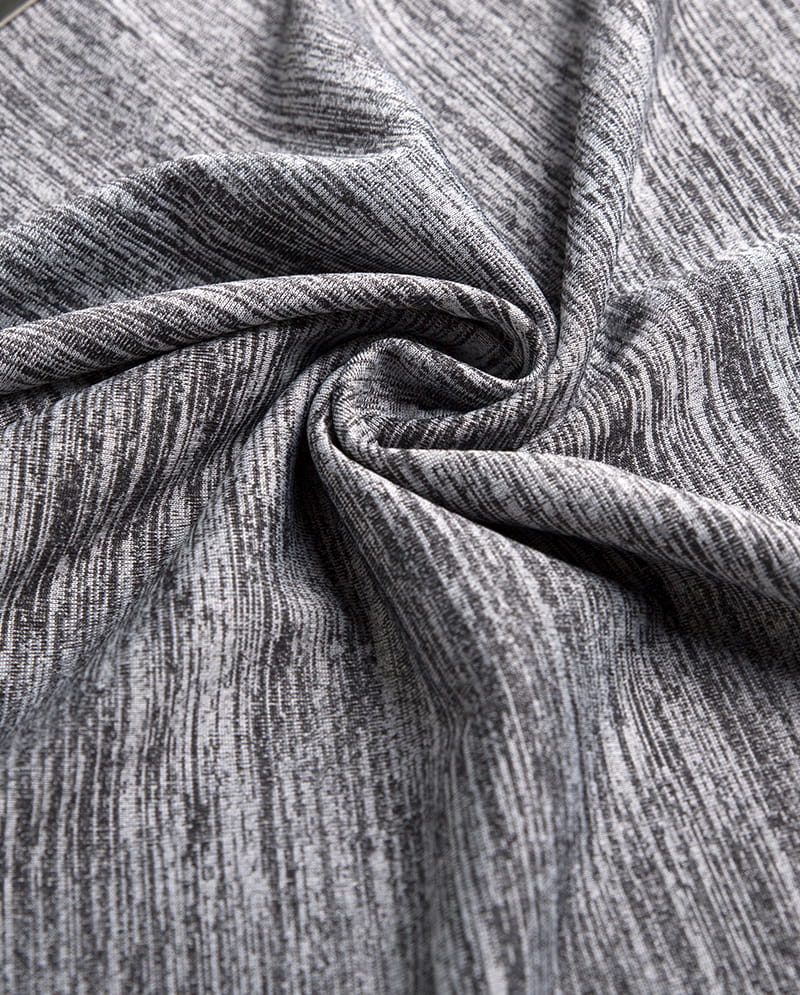
ผ้าซี่โครงถักประจุบวกป้องกันไฟฟ้าสถิต
-
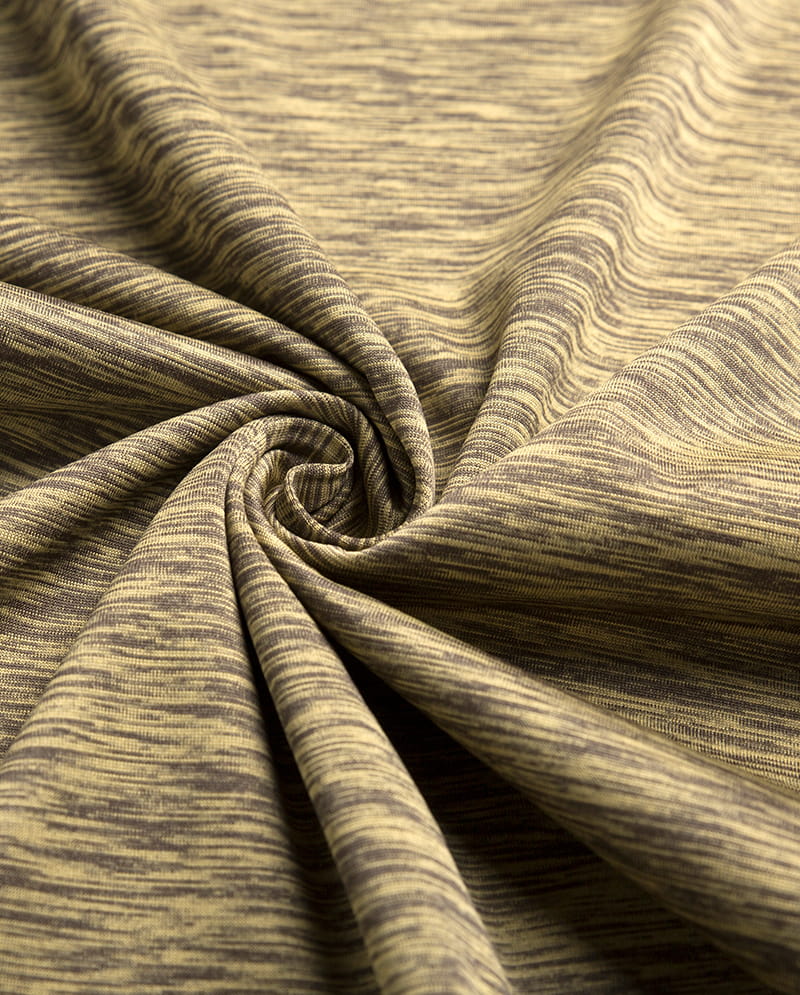
ผ้าเจอร์ซีย์ประจุบวกยืดสูง
-
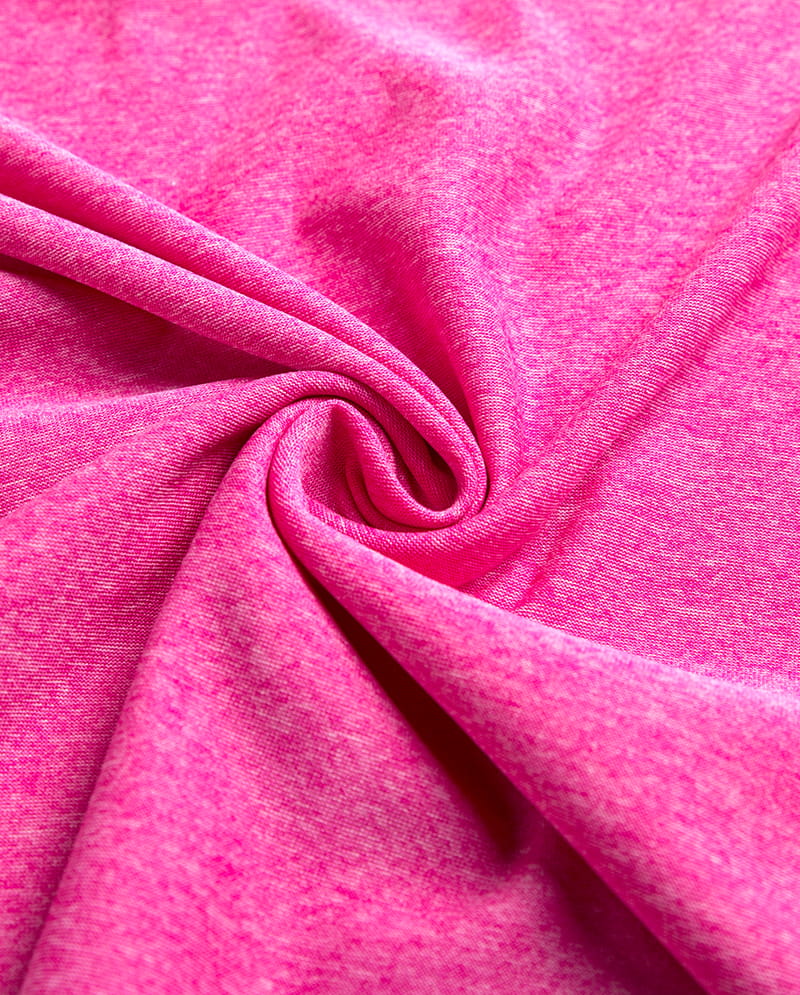
แปรง Cationic DTY สแปนเด็กซ์คุณภาพสูงสองด้านผ้าถัก Dralon สำหรับชุดชั้นในระบายความร้อนเสื้อผ้า
-
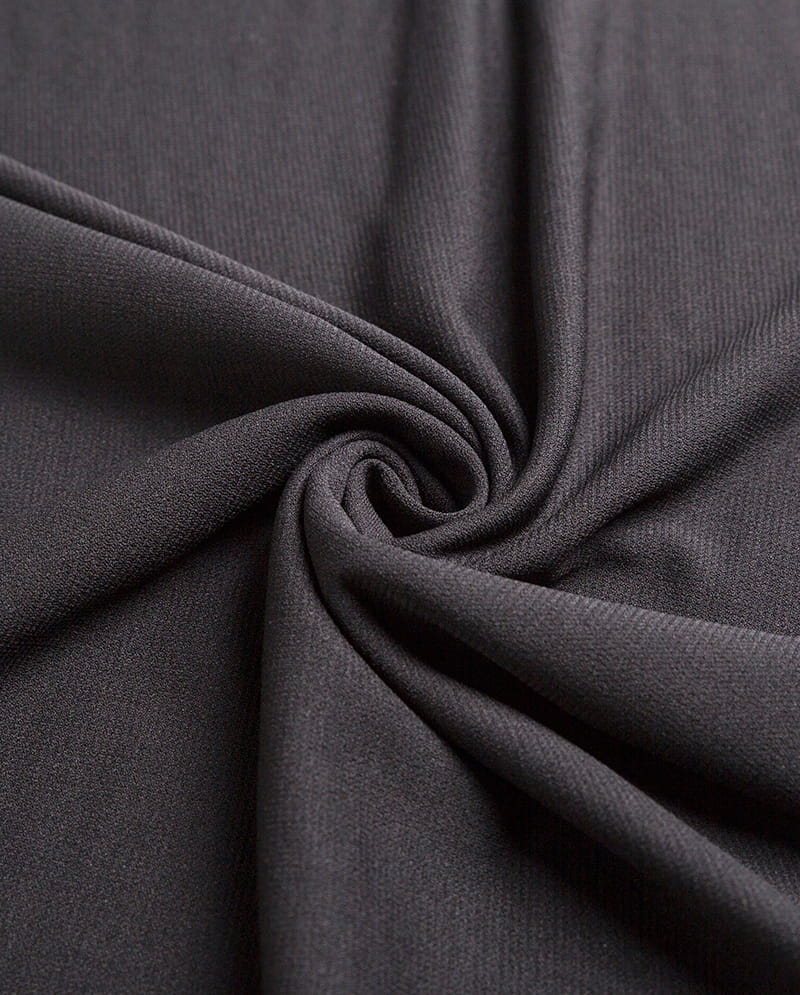
ผ้าถักป้องกัน Pilling ที่ทนทานสำหรับสิ่งทอภายในบ้าน
-
ผ้าถักยืดหยุ่นประจุบวกทนต่อการซักสำหรับอุตสาหกรรมตัดเย็บเสื้อผ้า
-
ผ้าคอมโพสิตยืดหยุ่นสองหน้าระบายอากาศได้
-
- วอทส์แอพ:
- 0086-13962559622
-
- สไกป์:
- skype.aliceshenghong
-
- วีแชท:

COPYRIGHT © 2016 ซูโจว จุนฮุย เท็กซ์ไทล์ บจก.
